Description
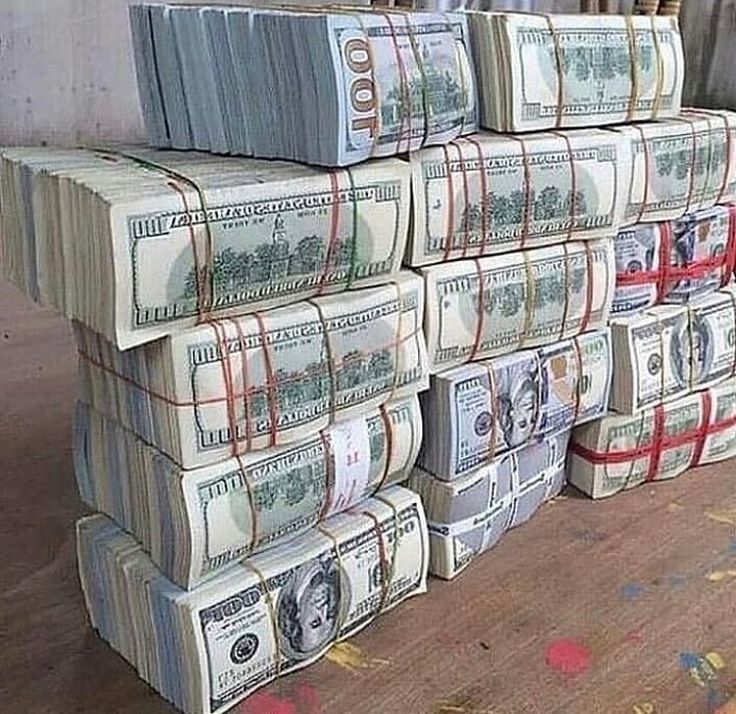
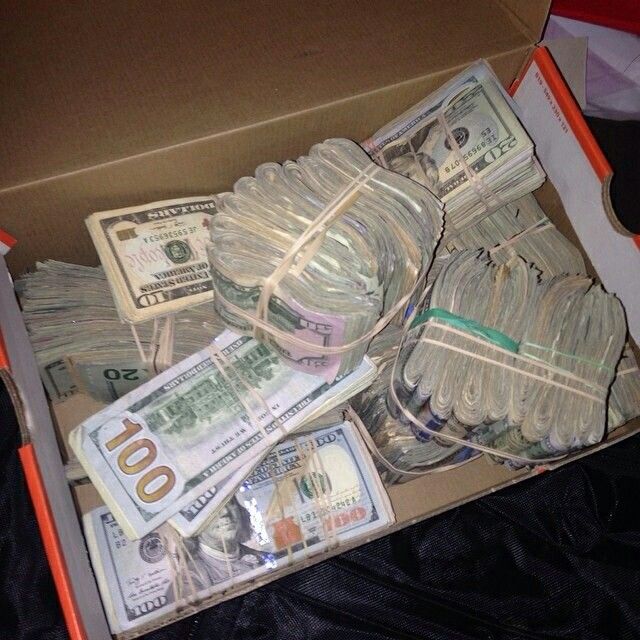
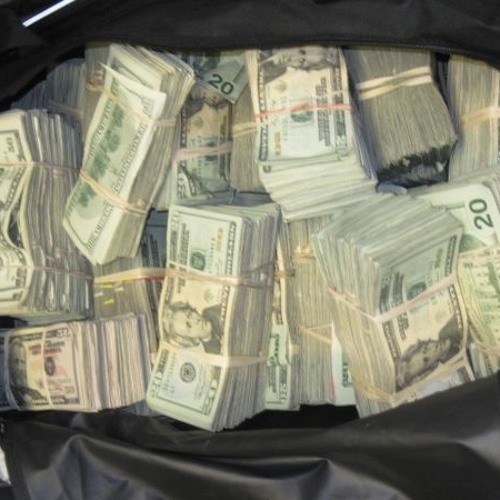
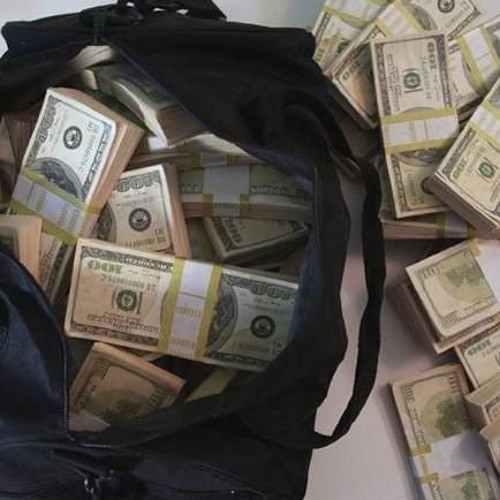
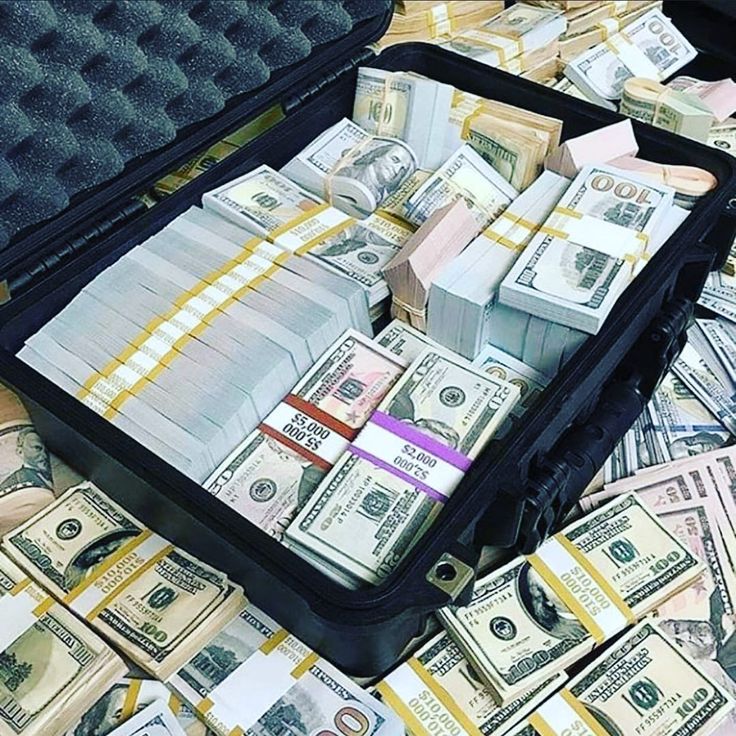
Undetected counterfeit
https://bisc.online/product/15000-us-undetec…counterfeit-bank/
Explore the world of undetected bank notes – buy counterfeit currency goes unnoticed and bypass technologies used to detect and prevent fraud in today’s .
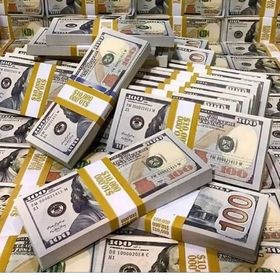
contact the seller if you want to buy lesser than the market price and quantity, slightly negotiable
United States Dollar (USD) – Overview and Key Details
The United States Dollar (USD) is the official currency of the United States of America and one of the world’s most widely recognized and used currencies. It is the most influential currency in the global economy, serving as a benchmark for many other currencies and a major reserve currency for central banks.
1. Symbol and Abbreviation
-
Symbol: $ (often written as USD to avoid confusion with other dollar currencies like the Canadian Dollar (CAD) or Australian Dollar (AUD)).
-
Abbreviation: USD (U.S. Dollar) or $ in informal contexts.
2. Historical Background
-
Origin: The U.S. dollar was introduced in 1792 with the Coinage Act, which established the dollar as the nation’s official currency. It was initially tied to silver and later moved to a fiat currency system in the 20th century.
-
Federal Reserve: The U.S. Federal Reserve was established in 1913 and took over the responsibility of issuing U.S. banknotes (Federal Reserve Notes), which are the paper currency most commonly used today.
3. Features and Denominations
-
Coins:
-
Penny (1¢): A small copper coin featuring Abraham Lincoln on the obverse.
-
Nickel (5¢): Made of nickel, it features Thomas Jefferson.
-
Dime (10¢): A small silver-colored coin with Franklin D. Roosevelt.
-
Quarter (25¢): A larger coin with George Washington’s portrait.
-
Half Dollar (50¢) and Dollar Coin: Less common in circulation today, but still in use.
-
-
Paper Currency: U.S. bills come in the following denominations:
-
$1, $5, $10, $20, $50, $100.
-
These bills feature notable American figures, such as George Washington on the $1 bill, Abraham Lincoln on the $5 bill, and Alexander Hamilton on the $10 bill.
-
Security Features: U.S. currency includes several security features such as watermarks, security threads, and microprinting to prevent counterfeiting.
-
4. Role of the U.S. Dollar
-
Global Reserve Currency: The U.S. dollar is the dominant global reserve currency, meaning central banks around the world hold large amounts of USD as part of their foreign exchange reserves. This reflects the dollar’s stability and the size of the U.S. economy.
-
International Trade: The USD is commonly used in international trade as the primary medium for purchasing goods and services, especially for commodities like oil and gold.
5. The Federal Reserve and Monetary Policy
-
The Federal Reserve is responsible for managing the U.S. money supply, setting interest rates, and overseeing banking institutions. It controls the issuance of new dollars, aiming to stabilize inflation and promote economic growth.
-
The Fed uses tools like open market operations, interest rates, and quantitative easing to influence the economy and ensure price stability.
6. USD Exchange Rates
-
The value of the U.S. dollar fluctuates against other currencies based on factors like interest rates, inflation, and economic conditions.
-
Forex Market: The foreign exchange market (Forex) determines the relative value of the U.S. dollar against other major currencies like the Euro (EUR), Japanese Yen (JPY), British Pound (GBP), and Canadian Dollar (CAD).
7. Economic Impact
-
Inflation: The value of the dollar can be impacted by inflation, which is influenced by factors such as government policies, demand for goods and services, and global market conditions.
-
Purchasing Power: The dollar’s purchasing power can change over time. While it remains one of the most stable and accepted currencies globally, inflationary periods can reduce its value.
8. Digital and Cryptocurrency Landscape
-
Digital Dollar: The U.S. government has explored the concept of a Central Bank Digital Currency (CBDC), which could be a digital form of the U.S. dollar.
-
Cryptocurrency and Dollar: The rise of cryptocurrencies like Bitcoin has led to debates about how digital currencies might impact the dominance of traditional fiat currencies like the U.S. dollar.
9. Usage and Popularity
-
The U.S. dollar is not only the official currency of the United States but is also used as the de facto currency in many countries and territories around the world. For example, Ecuador, El Salvador, and Panama use the USD alongside or instead of their own national currencies.
-
Tourism and International Transactions: As a globally recognized currency, the dollar is often used in travel and international transactions, making it highly liquid and easy to convert anywhere.
Conclusion
The United States Dollar (USD) is one of the most powerful and influential currencies in the world. Its dominance in global trade, finance, and as a reserve currency reflects the size and stability of the U.S. economy. Whether you’re dealing with international business or personal savings, the dollar plays a critical role in everyday financial transactions and economic policy.